
Rogue Valley Pollen & Your Carpet: Why Jackson County Allergy Season Starts on the Floor
The Rogue Valley has one of the most intense and prolonged pollen seasons in Oregon — oak, grass, and juniper contribute to an extended season that runs from late February through July, with peak periods in April and May that regularly produce “extreme” air quality readings for pollen. If you have allergy or asthma symptoms that seem worse indoors than outdoors, your carpet is likely part of the reason.
This guide covers how pollen accumulates in Rogue Valley carpets specifically, why it triggers symptoms even indoors, and what cleaning approach actually reduces the allergen burden — as opposed to just moving pollen from one surface to another.
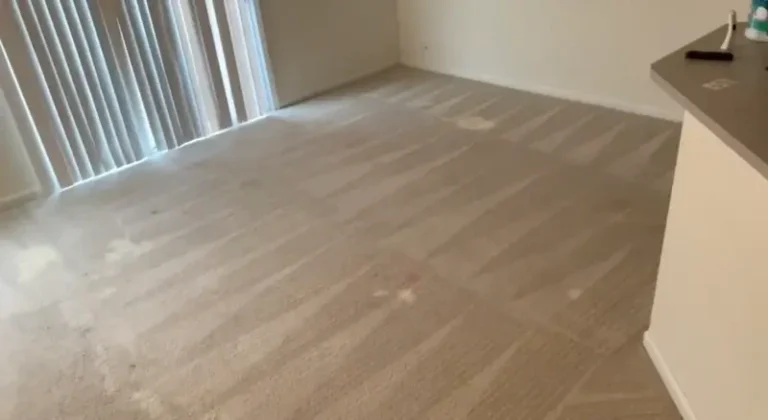
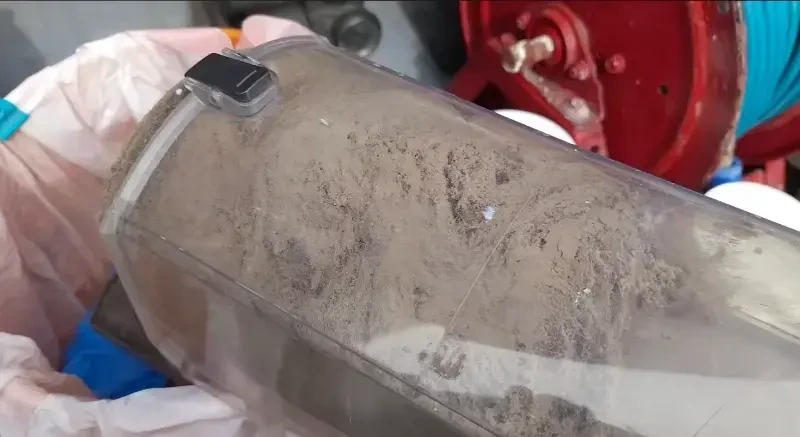
The key fact: Carpet acts as a pollen trap — it captures and holds pollen that enters your home. This is initially protective (pollen on the floor doesn’t circulate in the air). But once pollen is walked on, sat on, or disturbed by pets and children, it re-enters the air at breathing height. Deep extraction is the only reliable way to remove it from the fiber.
Rogue Valley Pollen Season — Month by Month
Jackson County’s pollen burden is higher than most of Oregon because of the valley’s enclosed geography (the mountains hold pollen within the valley rather than allowing it to disperse), the mild climate (extended growing seasons), and the specific plant composition of the Rogue Valley corridor.
| Month | Primary Source | Burden Level |
|---|---|---|
| February–March | Mountain cedar, tree pollen (early) | Moderate |
| April | Oak, ash, birch — peak tree pollen | Very High |
| May | Grass pollen begins, oak continues | Very High |
| June | Grass pollen peak | High |
| July | Grass pollen late season, some weed pollen | Moderate |
| August–September | Weed pollen (ragweed, sagebrush) | Moderate |
| October–January | Low | Low |
The April–May period is when most Medford allergy sufferers experience peak symptoms. This coincides with oak pollen, which is particularly abundant in the Rogue Valley due to Oregon white oak distribution along the valley corridor and hillsides from Ashland to Eagle Point.
How Pollen Gets Into Carpet
There are three main pathways for pollen to enter your home and reach carpet fiber:
1. HVAC and ventilation
Any air exchange between inside and outside brings pollen. Standard HVAC filters don’t capture fine pollen particles — even MERV-8 filters (common in residential systems) allow particles in the 10–100 micron range to pass through. Oak pollen is 20–30 microns. Grass pollen is 25–35 microns. Both pass residential HVAC filters readily and are distributed through the duct system, eventually settling on carpet throughout the home.
2. Open windows and doors
Particularly relevant in spring when Jackson County weather is pleasant. Even brief ventilation during high-pollen periods deposits significant pollen on horizontal surfaces — and carpet is the largest horizontal surface in most homes.
3. Clothing, hair, and pets
People and pets entering from outdoors during pollen season carry pollen directly into the home on clothing and fur. A dog that spends time in a grassy yard during grass pollen peak carries hundreds of thousands of pollen grains into the home on its coat — and deposits them in carpet when it lies down.
Why Indoor Pollen Exposure Continues After Season
Pollen that settles into carpet fiber doesn’t immediately degrade. Oak and grass pollen proteins — the compounds that trigger allergic reactions — remain active in settled pollen for weeks to months after the pollen itself is deposited. This is why many Rogue Valley allergy sufferers report symptoms extending well into summer even after outdoor pollen counts have dropped.
The secondary factor is foot traffic and pet activity. Walking on carpet where pollen has settled re-suspends pollen particles into the air at breathing height. Children playing on the floor and pets shaking out their coats while lying on carpet are major re-suspension events. Studies of indoor air quality have found that carpet re-suspension from walking can briefly spike indoor pollen counts to levels comparable to moderate outdoor conditions.
Important distinction: Regular vacuuming captures pollen from the carpet surface but doesn’t remove pollen embedded in the base of the pile. This is why vacuuming provides temporary relief — it removes recently deposited surface pollen — but doesn’t eliminate the accumulated season-long burden in the fiber backing. Hot water extraction reaches the base of the pile and removes what vacuuming leaves.
What Effective Carpet Allergen Reduction Requires
Managing carpet as a pollen source requires two different approaches working together:
Regular maintenance during pollen season
Vacuum at least twice per week during peak pollen season (April–June) using a vacuum with HEPA filtration. Standard vacuum bags and filters re-release captured pollen particles back into the air — HEPA-filtered vacuums contain them. Focus on high-traffic entry areas and rooms where pets spend time, as these accumulate the highest pollen concentrations.
Post-season professional extraction
A professional hot water extraction after the main pollen season ends (typically late June or July) removes the accumulated burden that vacuuming has left in the base of the pile throughout the season. This is the most impactful single intervention for indoor allergen reduction in Rogue Valley homes with carpet.
The extraction process removes embedded pollen from the fiber backing, neutralizes dust mite allergens that accumulate in pollen-loaded carpet (pollen is a food source for dust mites), and removes the bio-debris that makes carpet a more hospitable environment for ongoing allergen accumulation.
For households with documented allergy or asthma conditions, we offer an allergen-specific cleaning protocol that includes an anti-allergen post-treatment applied to clean fiber after extraction. Read more about our allergy cleaning service.
Which Rooms to Prioritize
If you’re doing a partial cleaning or working with a limited budget, prioritize rooms in this order for allergen reduction impact:
- Bedrooms — where you spend 7–9 hours at night breathing at carpet level. Allergen exposure during sleep is the highest-impact exposure period.
- Living room/main family areas — high foot traffic re-suspension and high occupancy time.
- Entry areas and hallways — where outdoor pollen is deposited first and concentrations are highest.
- Children’s play rooms — children spend time directly on carpet, maximizing their direct allergen contact.
Allergen vs Standard Cleaning — What’s Different
Standard carpet cleaning effectively removes pollen from carpet. The allergen-specific cleaning we offer adds one step: an anti-allergen treatment applied after the extraction pass. This treatment contains compounds that denature the protein structure of dust mite and pollen allergens — rendering them non-reactive even if particles remain in the fiber after extraction.
For most Rogue Valley households with normal allergy sensitivity, standard hot water extraction after pollen season provides meaningful relief. The anti-allergen add-on is most useful for households with doctor-diagnosed allergic conditions or asthma where allergen threshold is a significant health concern.
Pollen Season Carpet Cleaning in Jackson County
Same-day service in Medford, Central Point, Ashland, Eagle Point, and all of Jackson County. Call for an upfront quote — we’ll tell you what approach makes sense for your household.
Call (458) 346-2026Other Rogue Valley Allergens in Carpet
Pollen is the most seasonal allergen burden in Jackson County carpet, but it coexists with others that are present year-round:
- Dust mites: The primary year-round allergen in carpet. Rogue Valley’s moderate humidity levels support dust mite populations in carpet throughout the year. Hot water extraction at proper temperatures kills dust mites and removes their fecal allergen particles.
- Pet dander: Particularly concentrated in high-traffic areas where pets sleep or rest. Enzyme treatment doesn’t help dander (that’s for urine) — hot water extraction removes dander mechanically.
- Wildfire smoke particulate: During fire season, PM2.5 smoke particles enter through HVAC and settle in carpet alongside pollen. Post-fire-season cleaning addresses both simultaneously. Read our wildfire smoke guide.
- Mold spores: Less common in Jackson County than in wetter climates, but relevant after the wet season when carpet near exterior walls or in basements can develop mold reservoirs in the backing.